Correction (September 28, 2026): This article originally said the 2026 Rainbow Map was released on July 27 and that Spain overtook Malta by 11 points. In fact, ILGA-Europe published it on May 12, 2026, and Spain gained 11 points on its own 2025 score to finish less than a point ahead of Malta.
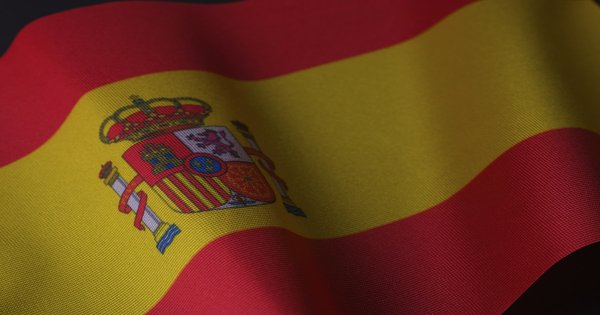
For ten straight years, Malta held the top spot on ILGA-Europe’s Rainbow Map, the annual benchmark that ranks all 49 European countries on LGBTQI+ law and policy. That streak ended this year. The 2026 edition, released May 12, puts Spain in first place with a score of 89% — up 11 points and four places from the previous year — while Malta slides to second.
How the ranking actually works
The Rainbow Map isn’t a vibes-based survey. ILGA-Europe scores each country against 76 specific criteria, grouped into seven categories: equality and non-discrimination, family recognition, hate crime and hate speech law, legal gender recognition, protections for intersex people’s bodily autonomy, civil society space, and asylum policy. A country can look good on Pride attendance and still score poorly here if its actual statute books and enforcement mechanisms don’t back it up — which is exactly why the ranking carries weight beyond a single feel-good headline.
What actually moved the number
Spain’s jump wasn’t the result of one law. The article credits a stack of policy that’s been building since 2022: the 2022 law on equal treatment and non-discrimination, followed by the 2023 LGTBI and trans law, together with the adoption of dedicated action plans for both LGBTI rights and trans rights specifically. The country also stood up an independent equal-treatment authority to enforce anti-discrimination protections, and — notably for trans healthcare specifically — fully implemented the depathologization of trans people within the national health system, meaning trans status is no longer treated as a medical diagnosis gatekeeping access to care.
The detail that stands out most for anyone who’s watched rights rollouts stall at the regional level elsewhere in Europe: all 17 of Spain’s autonomous regions now carry LGBTI protections. That’s the part that turns a strong national law into an 89% score — consistency, not just ambition on paper in Madrid while enforcement lags in smaller regions.
Why this matters beyond the ranking
It’s easy to read a “number one in Europe” headline as celebratory noise, but the Rainbow Map’s actual value is comparative and diagnostic. Spain climbing 11 points in a single year to overtake Malta shows how quickly a country’s position can move when legislation, enforcement infrastructure, and healthcare depathologization arrive together rather than piecemeal — which is a useful data point for the Balkan countries TrueQueer covers most closely. Albania, Montenegro, Serbia, and Kosovo are all mid-pack or lower on the same list, and the gap isn’t really about ambition; several have anti-discrimination laws on the books already. It’s about the enforcement authority, the regional consistency, and the healthcare-system follow-through that Spain’s climb demonstrates in real time.
A number-one ranking on a 76-point legal audit doesn’t erase every problem a queer person might encounter in Spain — hate speech and street-level harassment still happen there, same as anywhere. But it’s a rare case where a policy scoreboard and consistent, region-by-region enforcement actually line up, rather than a headline law in the capital masking gaps everywhere else.
Sources: Idealista; ILGA-Europe Rainbow Map 2026.